
Skip to content
AgroPhytusAgroPhytus
Technology

The field speaks through signals.Technology organizes the context.

Images, climate, soil, phenology and history meet within the same property to reveal what deserves attention and guide the next decision.

Field signals

Everything begins in the same place.

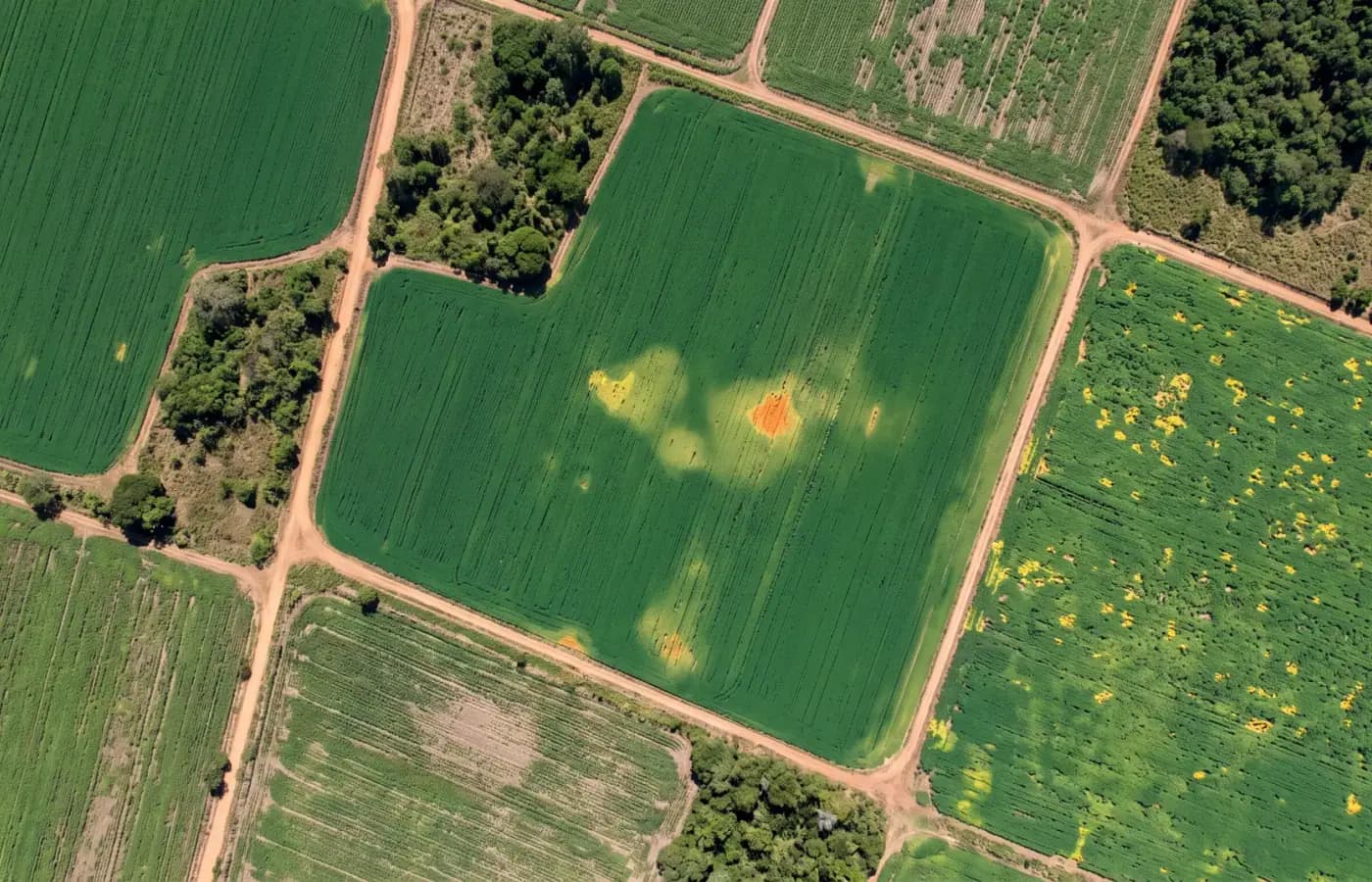
Photos, drones, satellites and climate arrive through different paths. Their value appears when every signal remains connected to the area where it was observed.

  • Photo

    Visible detail at the observed point.

  • Drone

    Variation perceived within the field.

  • Satellite

    Area behavior through time.

  • Climate

    Conditions that change crop risk and response.

Reading of different signals connected to the same area of the property.
Property context

An isolated signal informs. Context explains.

Area, crop, growth stage, moment and history change the meaning of the same image, index or forecast.

Area
Crop
Moment
History

Vegetation

NDVI · NDWI · EVI

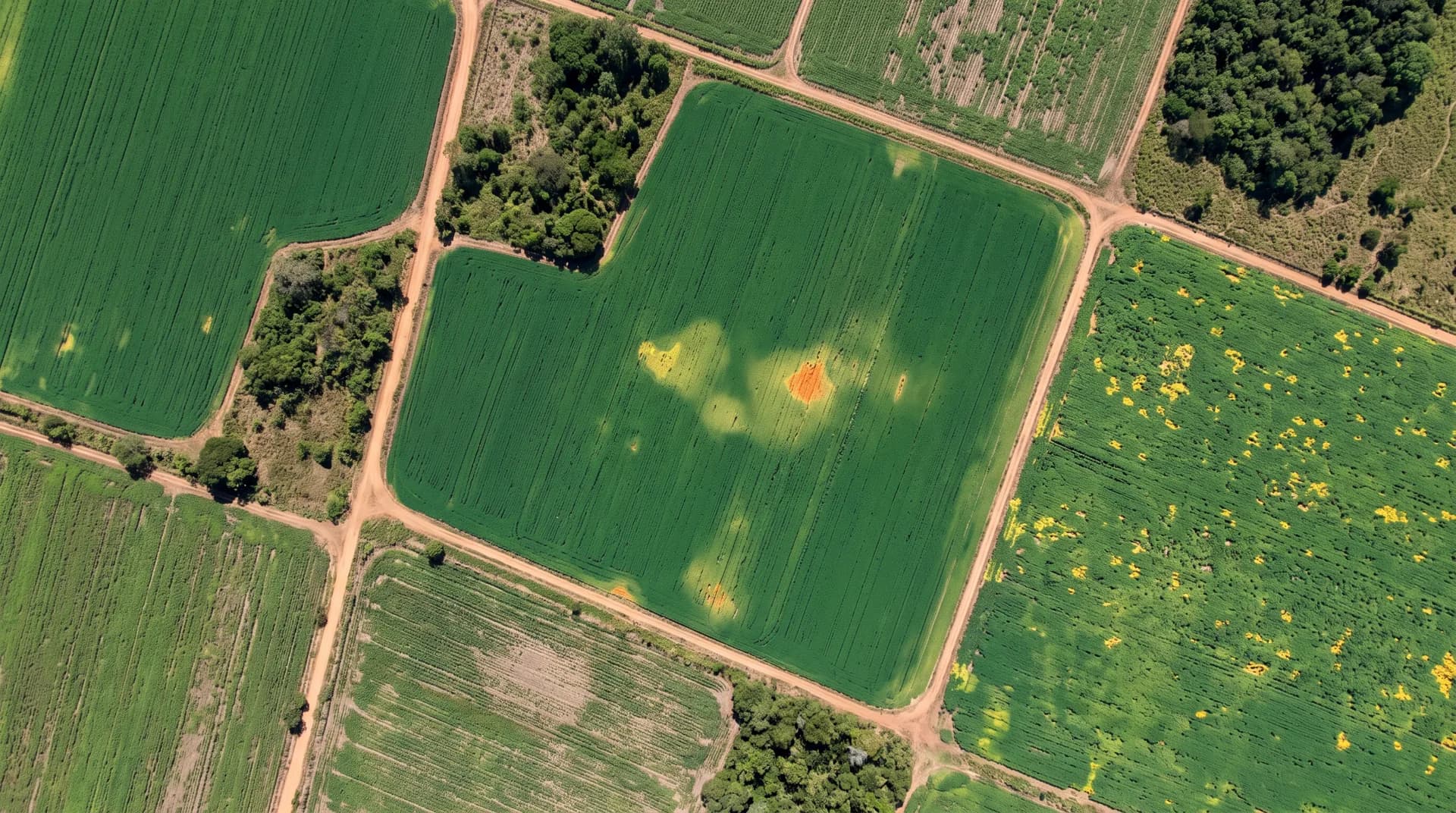
The index does not end with a colored map.

NDVI follows vigor and biomass. NDWI helps detect changes related to water. EVI preserves sensitivity in denser vegetation. Read together, they show where field behavior has changed and where the team should investigate first.

At AgroPhytus, every reading will remain connected to its area, crop, growth stage, climate, field images and property history. The system will compare the current signal with the pattern of that same place, reducing alerts without context and turning variation into an operational priority.

The AgroPhytus distinction

Precision will not come from a single index. It will come from combining sources, field validation and a confidence level calculated for every reading.
Climate

4 orbital sources · Local stations

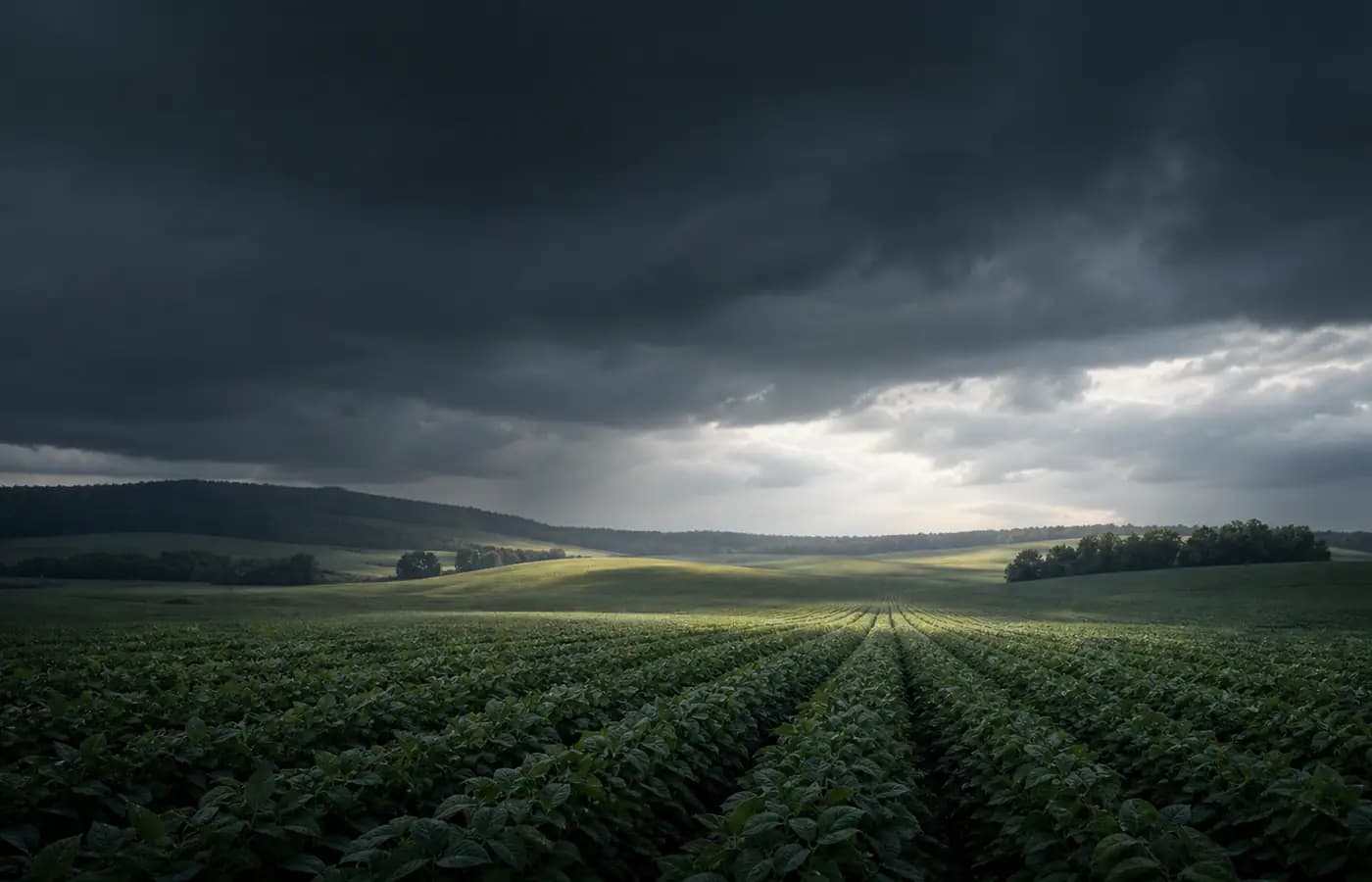
Local forecasting with real time to respond.

The climate layer will combine four orbital sources and weather models with data from AgroPhytus stations installed on the property. The system will compare forecasts with local measurements to refine rainfall, temperature, humidity, wind, water deficit and other factors that change agricultural risk.

Alerts will be evaluated for each area and crop stage, creating a response window to protect applications, anticipate severe events, reduce exposure to losses and safeguard production. Technologies under development will enter this layer only after validation, expanding the reading without weakening traceability.

The AgroPhytus distinction

Instead of repeating a regional forecast, AgroPhytus will build a property specific reading with explicit uncertainty, continuous comparison and alerts connected to the decision that must be made.

Phenology

Detected stage · Dynamic program

The backbone of the agronomic engine.

The phenology engine will combine calendar, accumulated climate, images, remote sensing and field records to estimate the current crop stage. The team will be able to confirm or correct the reading, allowing the system to learn from the real cycle of each area.

From that stage, the platform will organize fertilization programs by phase, periods of greater disease and pest susceptibility, inspection needs, water risk, application timing and harvest preparation. Monitoring for fruit flies and other pests can combine traps, counts, climate and history to indicate trends and priorities.

The AgroPhytus distinction

While static solutions follow a generic calendar, AgroPhytus will adjust guidance to the observed stage, field feedback and the accumulated memory of the property.

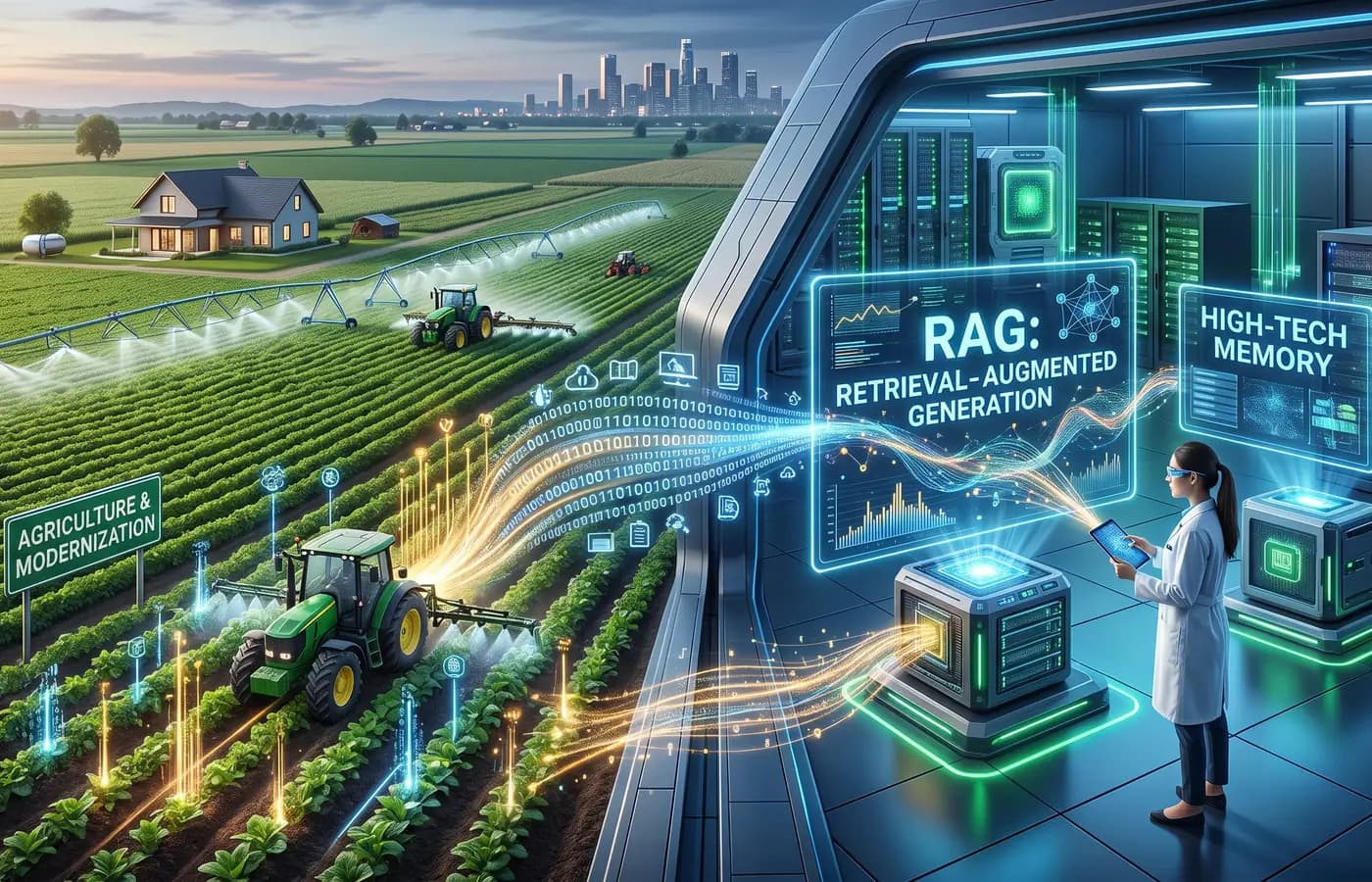
Memory and RAG

Validated knowledge · Traceable evidence

Intelligence that retrieves before it responds.

The agronomic RAG will retrieve validated technical references, program rules, property history, previous observations and recent signals before organizing guidance. The response therefore begins with available context rather than a generic formulation.

Every result should show the evidence used, the remaining uncertainty and what still requires human validation. The agronomist stays at the center of the decision while the system preserves the reasoning, feedback and learning for future cycles.

The AgroPhytus distinction

The difference will be intelligence with memory for each property, identifiable sources and guidance that can be verified, corrected and improved through use.

Return to operations

The reading returns to the field as a decision.

Technology organizes what deserves attention, preserves the evidence and keeps the next action connected to the property memory.

Explore the ecosystem
  1. Clear priority

    Where to observe first.

  2. Next action

    What to guide in the field.

  3. Recorded evidence

    What remains in history.